PPT programme
Blue – gently pulsing
Cool, pulsating blue light based on PHYbio Pulse Technology.
Pulsating light – redefined.
Light in its own rhythm – with PHYbio Pulse Technology (PPT)
LEDpuls pro works with four wavelengths in the visible red and blue range. Each wavelength is controlled separately and pulses in its own rhythm. The result is a lively, constantly changing light pattern – cool, without heat, without UV and without infrared. Simply place the device on the skin or use it hands-free on the tripod: for mindful moments of light in everyday life.
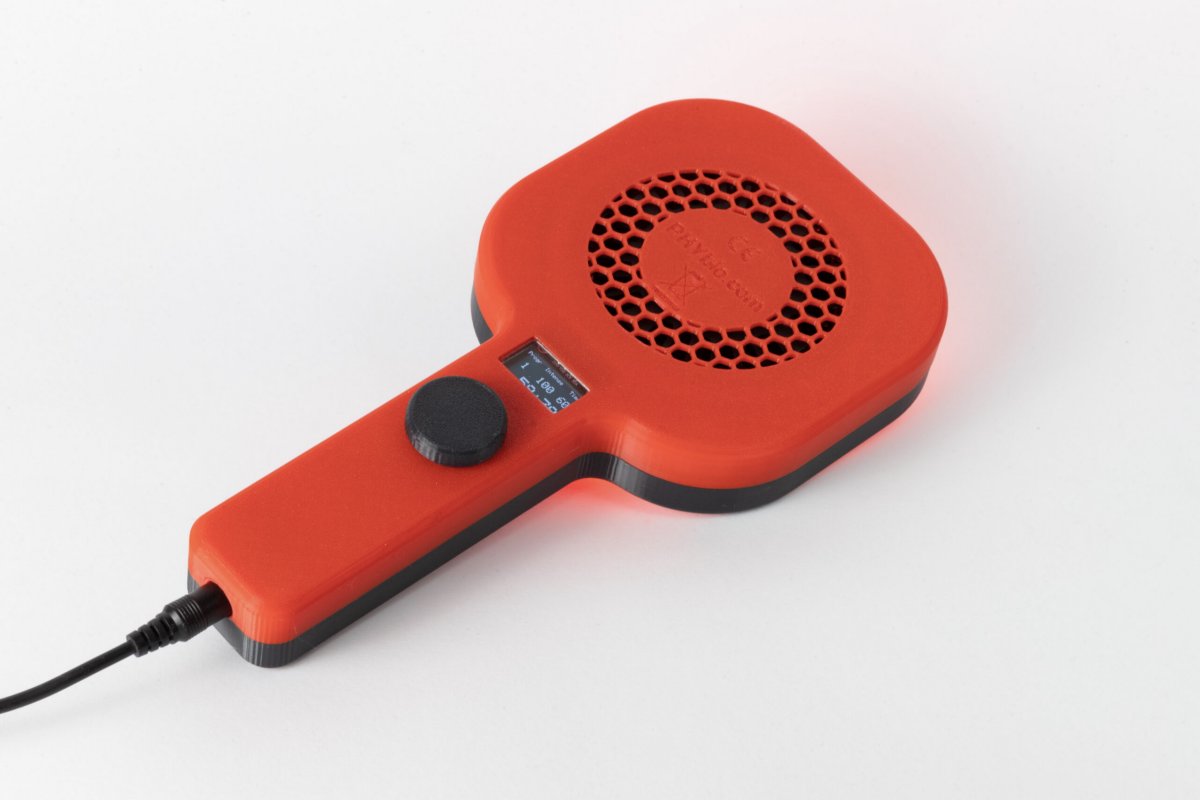
We don’t simply switch all the LEDs on and off together. Each wavelength is controlled independently of the others and has its own timing. The result is a multi-layered, constantly changing light pattern that simple flashing could not produce.
Red alone wasn’t enough for us. With 430 and 465 nm, LEDpuls pro adds two wavelengths from the short-wave, blue range of visible light to its red light. Red and blue can be used individually or in interplay – each colour in its own rhythm.
Three programmes with PHYbio Pulse Technology and one classic red-light programme.
Cool, pulsating blue light based on PHYbio Pulse Technology.
Cool, pulsating red and blue light based on PHYbio Pulse Technology.
Cool, pulsating red light based on PHYbio Pulse Technology.
Classic red flashing at 2.5 Hz / 400 ms.
The videos show the four programmes on the LEDpuls pro.
Photobiologically tested to DIN EN 62471: risk group 1 (low risk).
The classic wavelengths of red light.
Blue is the short-wave end of visible light. It acts at the surface and penetrates the skin only very slightly. LEDpuls pro uses two blue wavelengths, 430 nm and 465 nm, which are controlled individually. Because the eyes are sensitive to blue light: do not look directly into the light, and limit use with a blue component to 45 minutes per day.
Red is the long-wave end of visible light. It penetrates deeper into the upper layers of the skin than blue. Red light has been the subject of research for decades and is widely used in the wellness sector. LEDpuls pro works with 620 nm and 660 nm, without UV and without infrared, and therefore without a heating effect.
LEDpuls pro is a light-wellness device. It is not intended for the detection, treatment or alleviation of diseases.
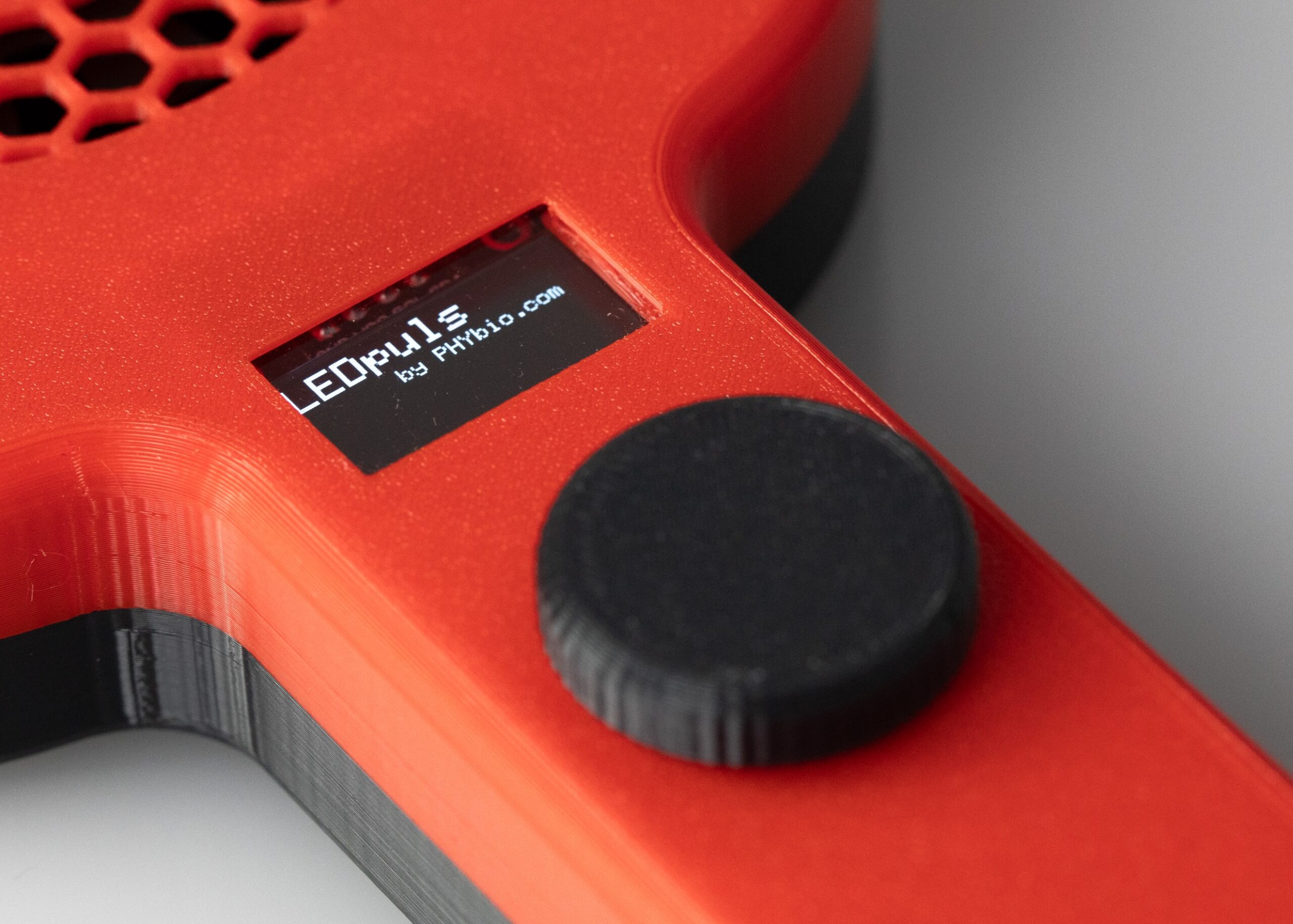
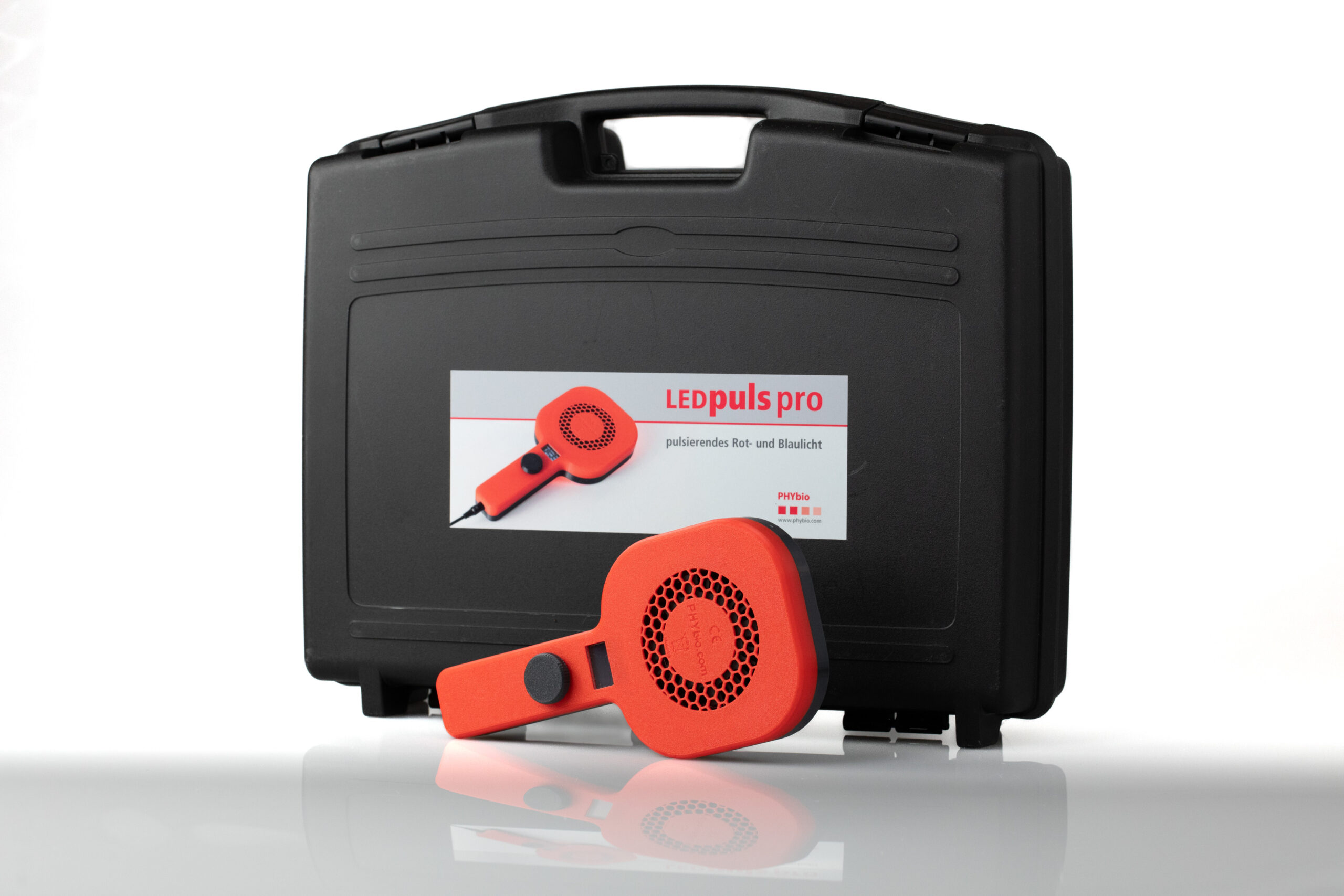
One button for everything.
The most recent settings are stored permanently in the device. This is especially handy, since the settings often need to stay unchanged across several sessions.
Modern manufacturing methods and tools allow even smaller companies to design and realise complex products.
A few years ago it would have been unthinkable to use a 3D-printed housing in a professional product, for example. A lot has changed, and the advantages of these manufacturing technologies make it possible to incorporate changes and improvements into the product within a very short time. All in all, a way to turn your own creativity from idea to reality in next to no time.
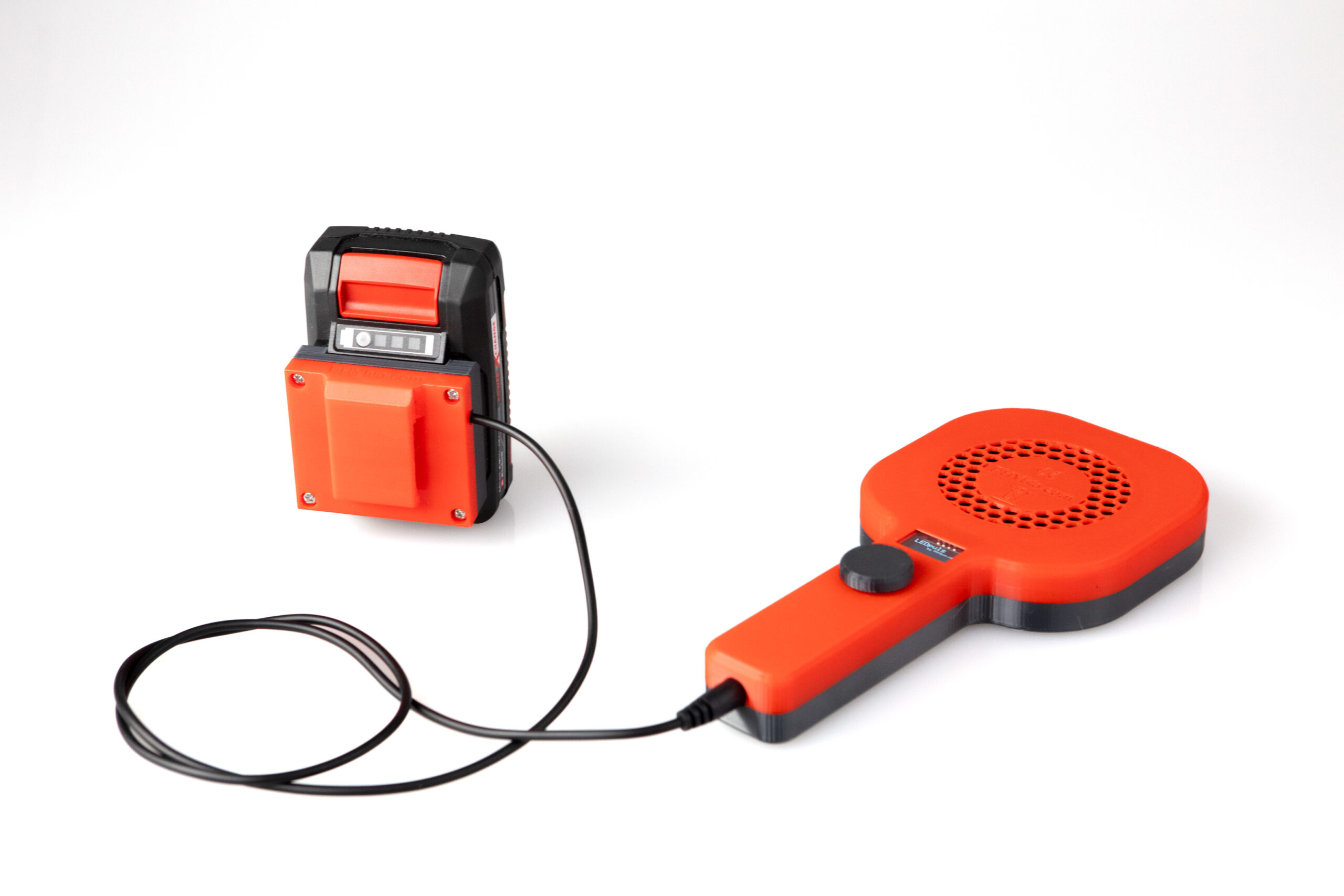
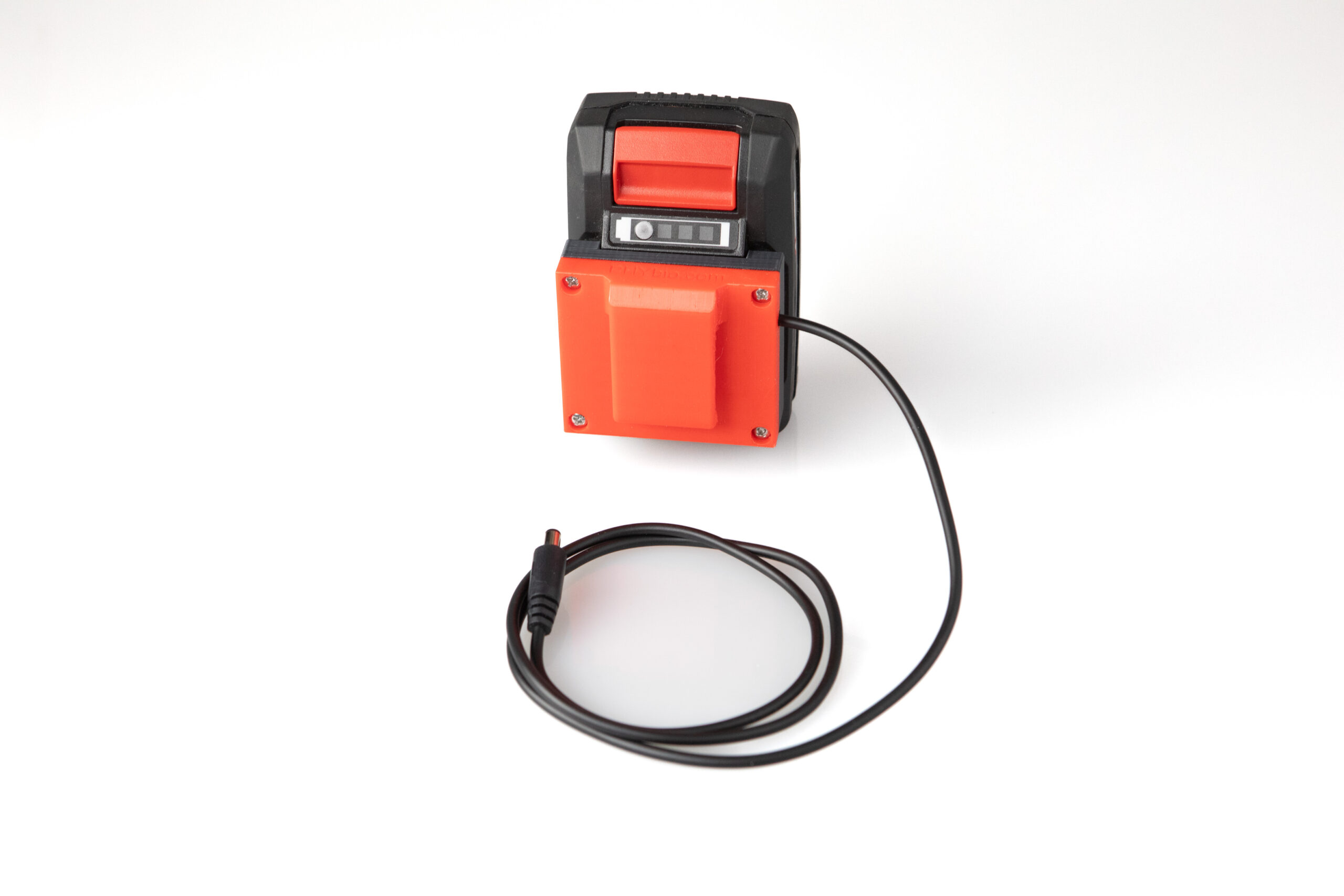
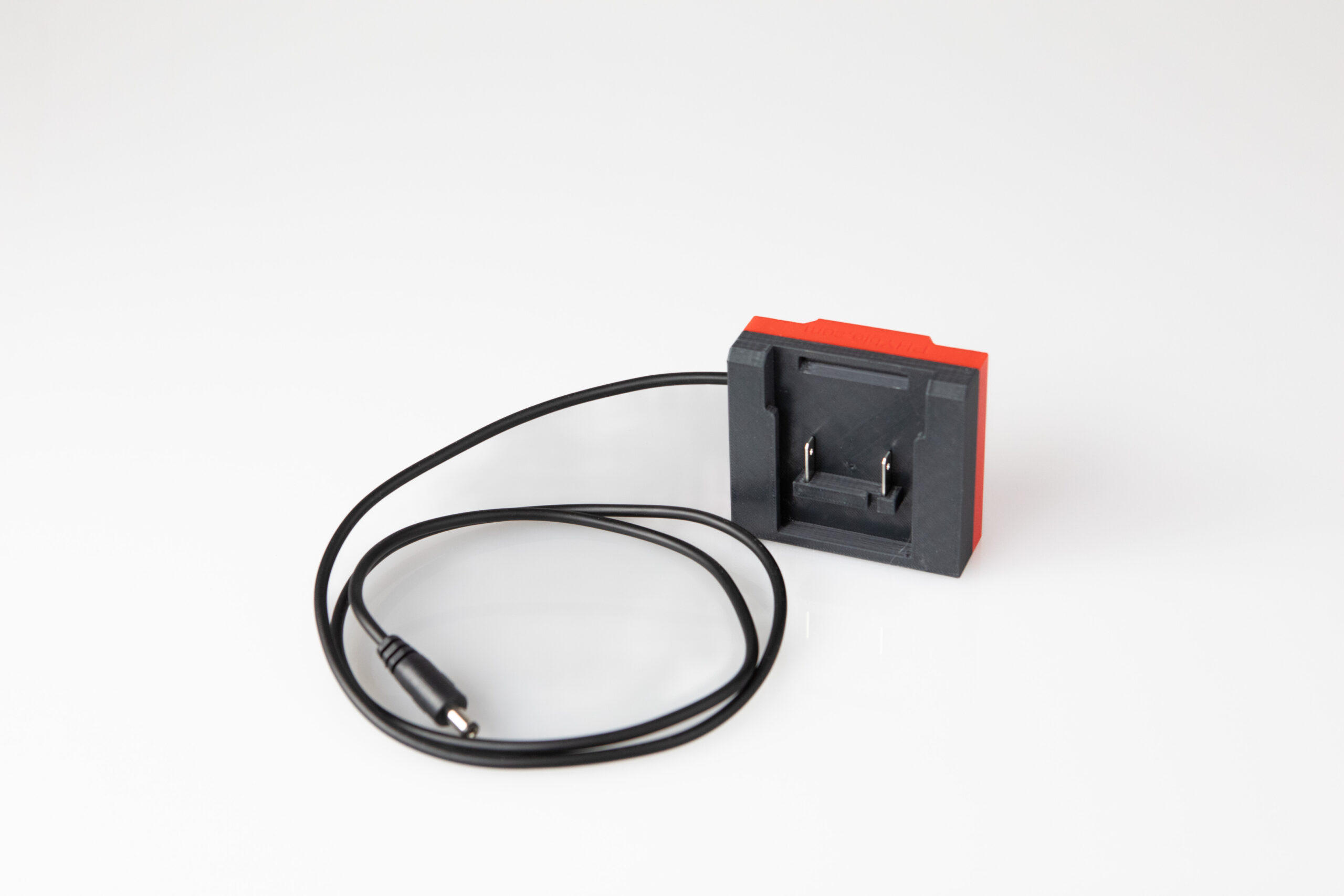
Use the LEDpuls pro even beyond the reach of your extension cable – with the battery adapter and rechargeable battery.
Apply the LEDpuls pro effortlessly, even in hard-to-reach areas.
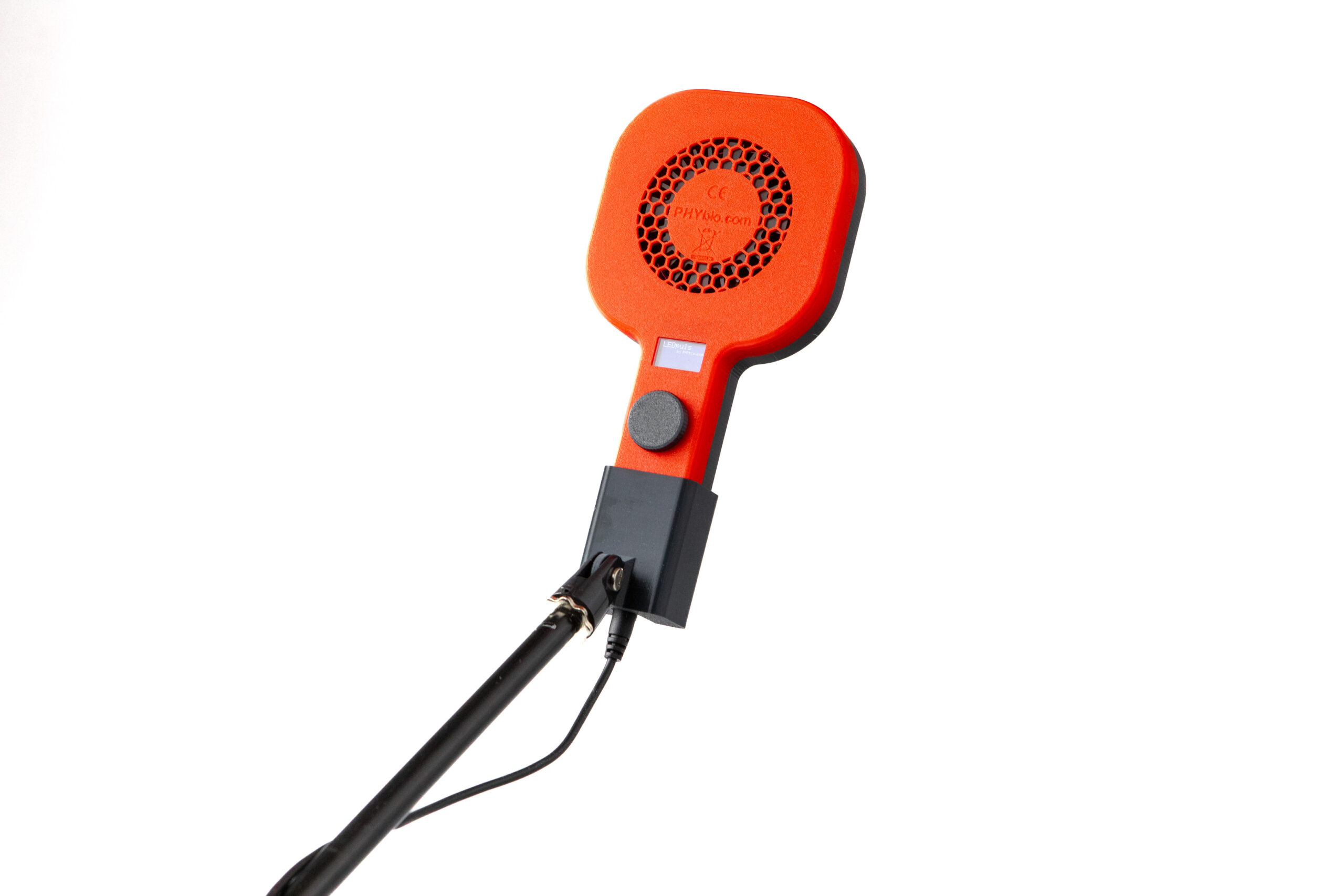
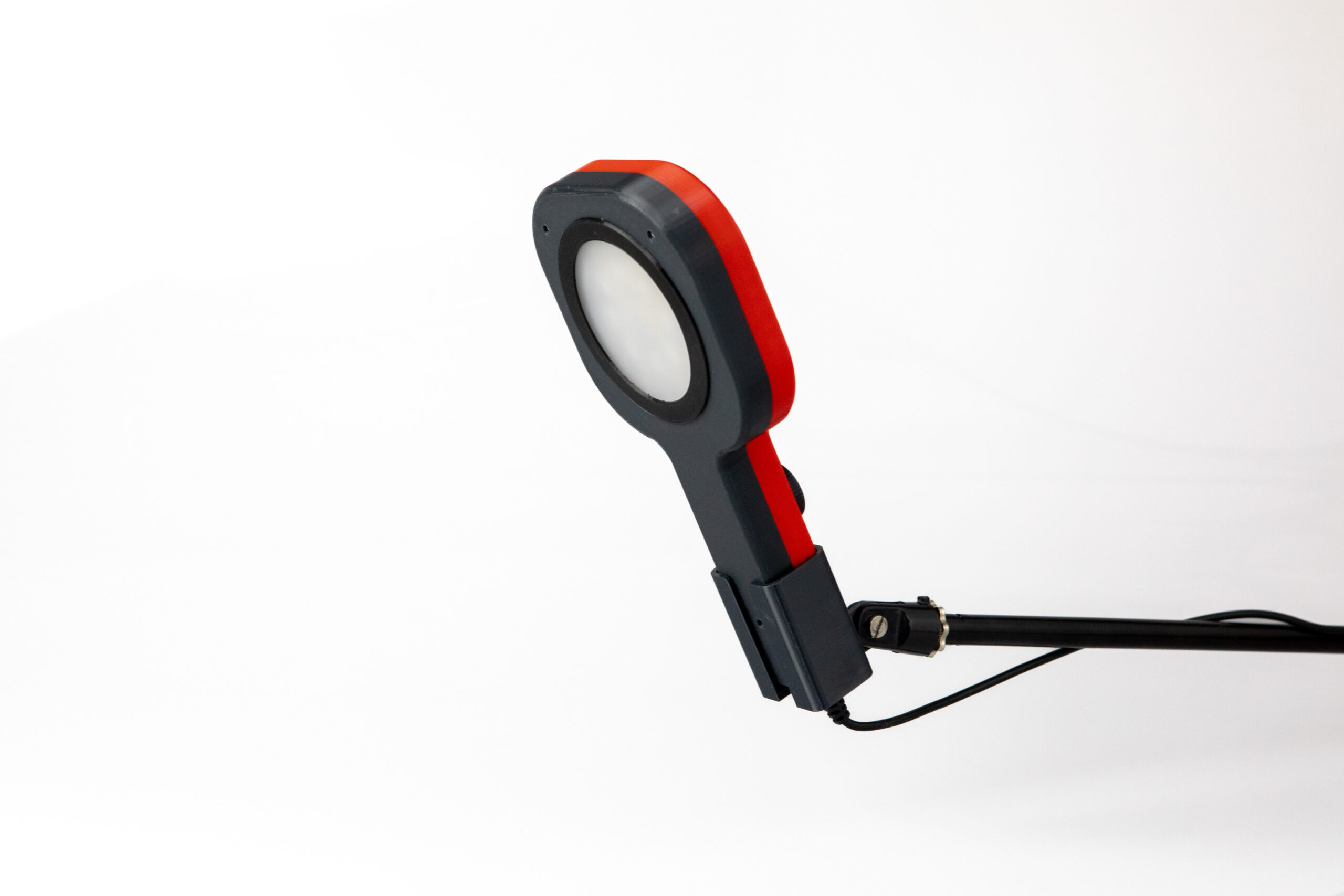
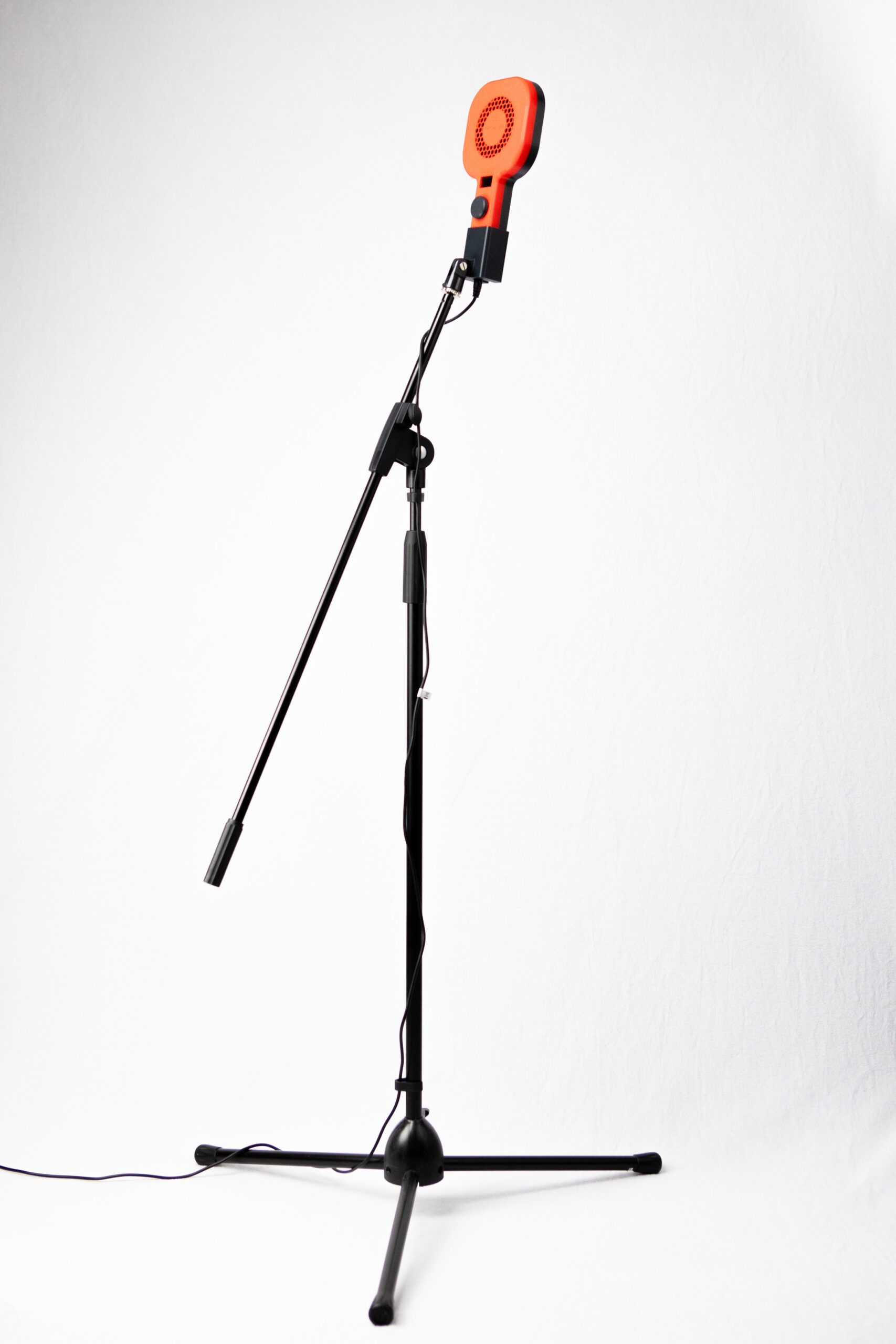
| Operating temperature | 0 °C to 40 °C |
|---|---|
| Storage temperature | −10 °C to 50 °C |
| Humidity | 0 to 80% relative humidity |
| Weight | approx. 320 g without power supply |
| Dimensions | approx. 240 mm × 120 mm and 40 mm × 38 mm |
| Power supply | AC 100–240 V, 50 / 60 Hz · DC 18 V, 3.3 A / 2.2 A · 60 W / 40 W |
| LEDpuls pro | 18 V, approx. 25 W |
| Housing | 3D-printed PETG and TPU; PET is food-safe; acrylic glass. TPU contains no hazardous substances in accordance with REACH compliance (EC) No 1907/2006. |
| Power LEDs | 8 LEDs at 3 W each = max. 24 W, two each at approx. 430 nm, 465 nm, 620 nm and 660 nm |
| Outer ring LEDs | 16 × 0.1 W: approx. 430 nm (6), 465 nm (6), 620 nm (4) |
“Blue-light hazard” refers to the risk of photochemical damage to the retina or the retinal pigment epithelium (RPE) caused by high-energy light – i.e. blue light to which the eyes are directly exposed.
More than 20 years of research and development for light and wellbeing – PHYbio Establishment.
The way to the shop